The Irish citizenship test: what we know and how to prepare
Ireland is planning a language test and a civics test for naturalisation, the first in its history. Here is everything that has been published, what is still unknown, and what you can sensibly do now.
Is there an Irish citizenship test now?

No. Under the Irish Nationality and Citizenship Act 1956, as amended, you can become an Irish citizen by naturalisation without passing any language or civics test. The Immigration Service Delivery guide lists no test, and Ireland has been reported as the only EU country with no language requirement for citizenship.
That is what the Government wants to change. On 9 September 2026 the Cabinet approved priority drafting of the Irish Nationality and Citizenship (Amendment) Bill 2026, and on 21 September it published the General Scheme: an outline of what the Bill would do.
What the outline says about the tests
The language test
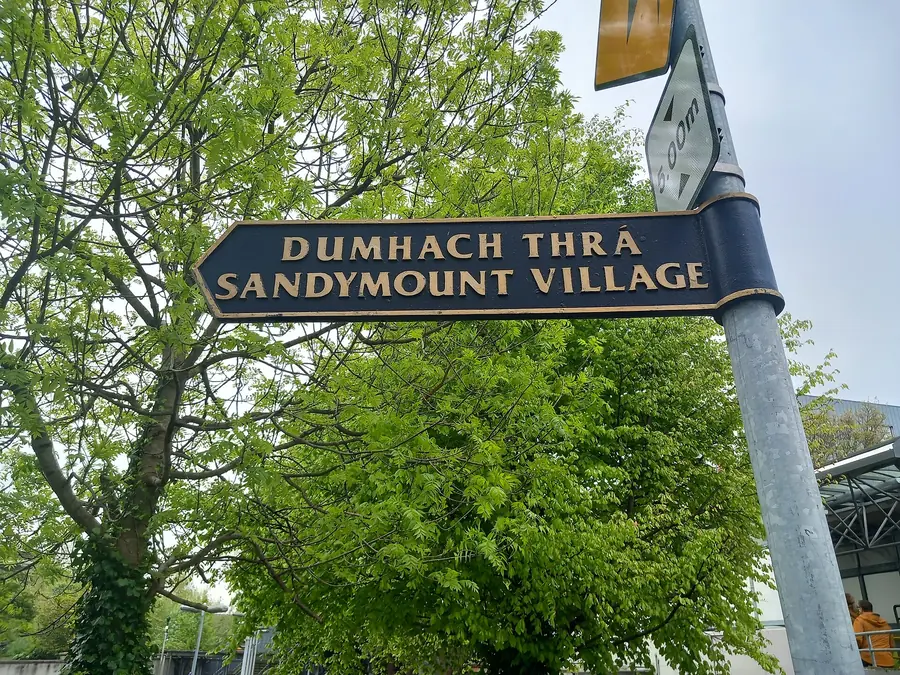
Head 5 of the General Scheme adds a new condition. The applicant must have:
"demonstrated a proficiency of the Irish language or the English language, or Irish sign language to such a standard and verified in such a manner as may be prescribed by the Minister."
Three things stand out:
- It's English, Irish or ISL. The three are alternatives. You would not need Irish if you can show English. (The Taoiseach was reported as saying applicants would need a "very basic" grasp of Irish too, but that is not in the text.)
- No level is set. There is no CEFR level (A2, B1, B2) in any official document. Ministers have called it "basic proficiency" and "relatively simple".
- No test is named. IELTS, PTE, Cambridge, Trinity, LanguageCert or a new Irish test are all possible. The outline doesn't say.
The civics test
The same Head adds a second condition: the applicant must have "demonstrated a knowledge and understanding of Irish civics". The explanatory note says this means "foundational knowledge of how Irish society, government, and the Constitution operate".
Nothing else is set: not the number of questions, the pass mark, the study material, the language you sit it in, the fee or who runs it.
Who would have to take them
| Who | Tests apply? |
|---|---|
| Applying on residence (the usual route) | Yes (Head 5) |
| Spouse or civil partner of an Irish citizen | Yes (Head 6) |
| Groups the Minister exempts | The Minister could waive both tests "in certain circumstances, as prescribed" (Head 8). The groups are not named |
| Citizenship by birth or descent, Foreign Births Register | No. That isn't naturalisation |
| Applications already lodged | Unclear. The outline protects them from the new residence rules, but says nothing about the tests |
There is no exemption for people from English-speaking countries in the outline. Whether a passport or a degree taught in English could count as proof will be decided in the regulations.
What the test might look like
We don't know, and anyone who says they do is guessing. What we can do is look at the countries Ireland is likely to copy. The outline says the aim is "closer alignment" with other EU states.
| Country | Civics test | Language level | Study material |
|---|---|---|---|
| United Kingdom | 24 questions in 45 min, 75% to pass | B1 speaking and listening | Official handbook, sold in shops |
| Germany | 33 questions in 60 min, 17 to pass | B1 | All 310 possible questions published free |
| Australia | 20 questions, 75%, all 5 values questions right | Basic English (shown by the test itself) | Free official book, Our Common Bond |
| United States | Asked aloud from a published list | Reading, writing and speaking checked at interview | All questions published free |
| Ireland | Not decided | Not decided | Not published |
The most likely level for the language test is A2 or B1, because "basic proficiency" is the phrase Ministers keep using and B1 is what the UK and many EU countries require. Treat that as an educated guess, not a fact.
Which English exams might count?
If Ireland follows the UK and tests only speaking and listening, short exams such as IELTS Life Skills B1 (22 minutes, about €176–€200 in Ireland) or Trinity GESE Grade 5 would fit. If it wants all four skills, IELTS General Training (about €220) or PTE would fit. LanguageCert is already approved by the Department of Justice for student immigration, which may matter. None of these has been announced. Don't book an exam for citizenship until the rules say which ones count.
When would the tests start?
Not soon. Two things must happen first:
- The Bill must be published, debated and passed by the Dáil and Seanad, and signed into law.
- The Minister must make separate regulations setting the standard and how it's checked, and then commence those sections.
The outline lets different parts start on different days, so the tests could start later than the new residence rules. The Government has said it wants the law passed by the end of 2026, but there's no date for the tests. See when the new rules start.
How to prepare now
You can't study for a test that hasn't been written. But a few things are safe to do:
- Learn how the State works. Whatever the civics test covers, it will cover the Constitution, the Oireachtas, the President, the courts, elections and rights. Try our free practice questions, all sourced from Bunreacht na hÉireann. For the story behind it, read what it means to be Irish.
- Keep your English documents together. Degrees taught in English, past IELTS or Cambridge certificates, school records. They may count, or they may not, but you'll want them to hand. Nurses who sat IELTS or OET for registration can read our guide for nurses.
- Check whether you already qualify under today's rules. If you do, the timing of your application may matter more than any test. Read should you apply before the rules change?
- Ignore anyone selling an "official" course. There is no Government-approved prep course, no published question bank, and no way to "register early" for the new rules.
Questions people ask
Does Ireland have a citizenship test?
Not yet. There is currently no language or civics test for Irish naturalisation. The Government plans to add both through the Irish Nationality and Citizenship (Amendment) Bill 2026, which has not been published or passed.
Will I need to speak Irish?
No, according to the outline. It lists English, Irish or Irish Sign Language as alternatives, so English is enough. A press report quoted the Taoiseach suggesting a "very basic" grasp of Irish, but that is not in the published text.
What level of English will the Irish citizenship test need?
It has not been set. Ministers have described it as "basic proficiency". Most EU countries and the UK use B1, so A2 to B1 is a reasonable guess, but nothing official says so.
Will IELTS count for Irish citizenship?
Unknown. The outline doesn't name any exam. The accepted tests and certificates will be set in regulations after the law passes.
Are there official Irish citizenship test questions?
No. No questions, handbook or question bank have been published. Any site claiming to have the "real" questions is wrong. Practice questions based on the Constitution, like ours, are a sensible way to learn the basics.
Who will be exempt from the test?
The Minister could waive the tests for groups set out in regulations, to avoid unfairly affecting vulnerable applicants. The groups are not named yet. Age and disability are the usual exemptions in other countries.
Sources
- General Scheme of the Irish Nationality and Citizenship (Amendment) Bill 2026, Heads 2, 5, 6, 8 and 9 (gov.ie, 21 Sep 2026)
- Government approval secured for priority drafting (gov.ie, 9 Sep 2026)
- ieExplains: What are the proposed changes to citizenship rules? (Irish Examiner, 8 Sep 2026)
- Language test among new requirements proposed (Irish Post, 10 Sep 2026)
- Life in the UK Test (gov.uk) · EinbTestV (Germany) · Our Common Bond (Australia) · USCIS
- IELTS fees at CES Dublin (ielts.org, checked 9 Oct 2026)
Read next
-
 Start here
Glossary
Irish citizenship words, explained simply
Official writing about citizenship uses a lot of special words. Here's what each one means, in plain English.
4 min read →
-
 30-second tool
Calculator
Irish citizenship calculator: how long until you can apply?
Move the slider to see how long you'd wait under today's rules and under the proposed ones. It takes 30 seconds, and nothing you enter is saved or sent.
2 min read →
-
 New
Checklist
10 things that could save your Irish citizenship application
You can qualify on paper and still be sent back over a missing document, an expired card or a deadline nobody noticed. Here are the ten checks that keep your application on track, and the €175 fee in your pocket.
7 min read →