When do the new citizenship rules take effect?
There's no start date yet. Here's every step the Bill still has to go through, what the Government is aiming for, and why the tests are likely to start later than the 8-year rule.
Where the Bill is now
| Stage | Status |
|---|---|
| Plans announced | Done, 7 Sep 2026 |
| Cabinet approves priority drafting | Done, 9 Sep 2026 |
| General Scheme (outline) published | Done, 21 Sep 2026 |
| Pre-legislative scrutiny by the Joint Committee on Justice | Now. Hearings began 19 Nov 2026; next one 24 Nov |
| Full Bill published | Not yet |
| Passed by the Dáil and the Seanad | Not yet |
| Signed by the President | Not yet |
| Commencement order(s) | Not yet |
| Regulations setting the tests, income level and exemptions | Not yet |
We follow every step. The live tracker is on our homepage.
What each step means
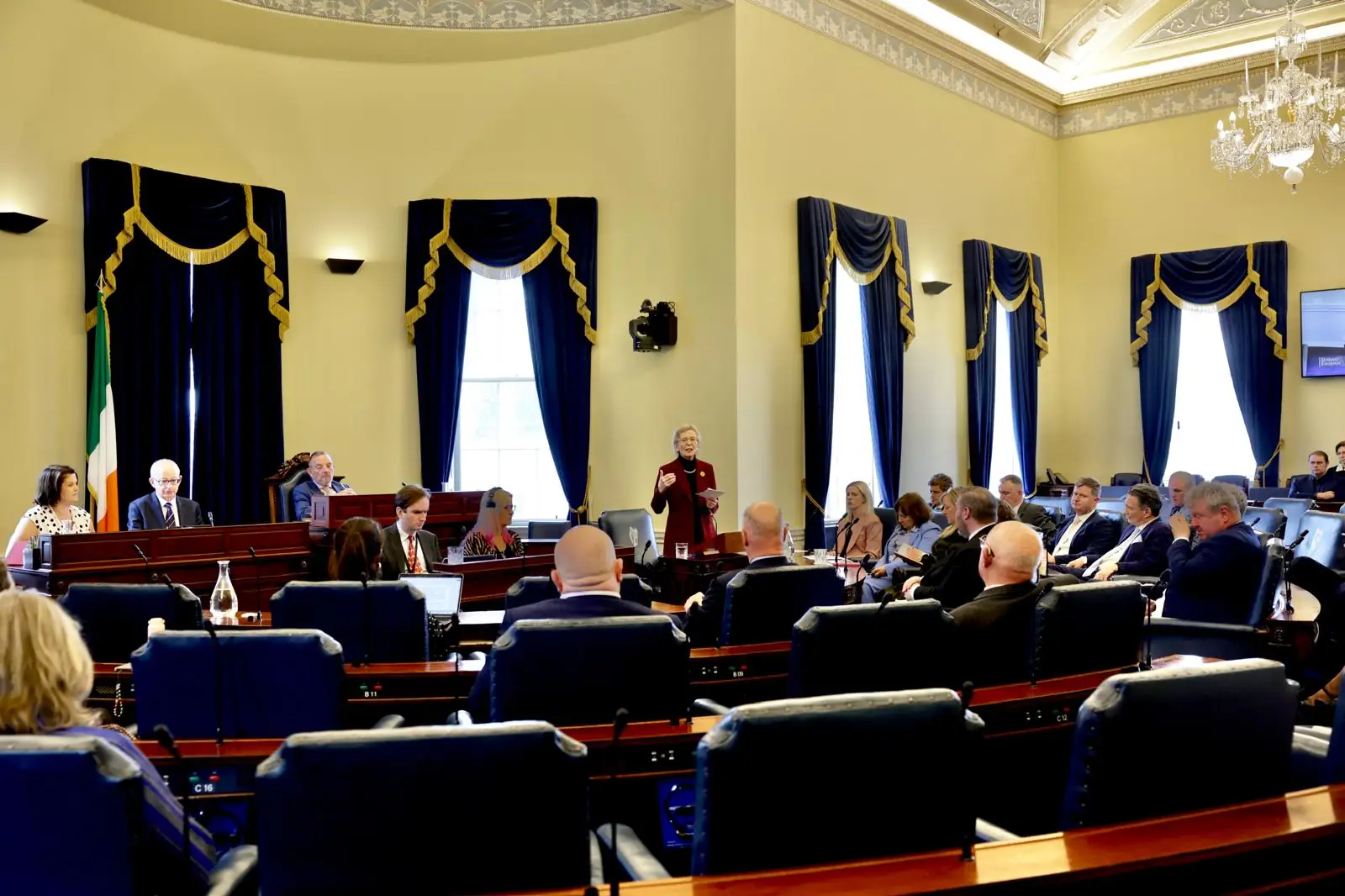
Pre-legislative scrutiny. The Oireachtas Joint Committee on Justice looks at the outline, usually hears from experts and affected groups, and writes a report. The Government doesn't have to follow it, but it often changes details.
The full Bill. Officials and the Attorney General's Office turn the outline into legal text. This is where details like transition rules get written down, and the version to watch most closely.
The Dáil and the Seanad. Each House debates the Bill in stages and can amend it.
Commencement. After the President signs it, the Minister brings it into force by order. Head 2 of the outline lets different sections start on different days.
Regulations. The language standard, the civics test, the minimum income and the exemptions are all left to regulations made by the Minister. The tests can't start until these exist.
So when will things actually change?

Nobody can give you a date, but the order is fairly clear:
- The residence changes (5 to 8 years, 3 to 5 for spouses) can start as soon as the law is commenced. These are the changes most likely to arrive first.
- The income rule needs a figure set by regulation, based on CSO earnings data.
- The language and civics tests need a standard, a format, a provider and study material, and none of that exists yet.
The Government's stated aim is to pass the law by the end of 2026. Even if it does, it would be reasonable to expect the tests themselves to start well after that. That's our estimate, not an announcement.
How long is Irish citizenship taking to process in 2026?
If you're thinking of applying before the rules change, processing time matters. According to a parliamentary answer reported by the Irish Examiner on 16 September 2026:
- 51,882 applications were waiting at the end of August 2026.
- 38,748 had been waiting under a year, 8,064 between one and two years, and 5,070 more than two years.
- Applications have risen sharply: 22,690 in 2023, 27,032 in 2024 and 41,511 in 2025.
The median processing time in 2024 was about 8 months, according to the Asylum Information Database. With more applications arriving, many people are waiting longer. Under the outline, what matters for the residence rules is when you lodge your application, not when it's decided.
Questions people ask
When do the new Irish citizenship rules take effect?
No date has been set. The Government wants the law passed by the end of 2026, but it still has to be published, debated and passed, and the tests need separate regulations after that.
Is the new citizenship law in force yet?
No. Only an outline (the General Scheme) has been published. The current rules still apply.
Will the language test start at the same time as the 8-year rule?
Probably not. The outline lets different parts start on different days, and the tests need regulations setting the standard and format first.
How long does Irish citizenship take in 2026?
There's no official target. At the end of August 2026, 51,882 applications were pending, and more than 13,000 had been waiting over a year. The median in 2024 was about 8 months.
Sources
- Government approval secured for priority drafting (gov.ie, 9 Sep 2026)
- General Scheme publication page and PDF, Heads 2, 5 and 9 (gov.ie)
- ieExplains (Irish Examiner, 8 Sep 2026) · RTÉ, 17 Sep 2026
- More than 13,000 waiting over a year for citizenship decisions (Irish Examiner, 16 Sep 2026)
- Justice Committee begins pre-legislative scrutiny (Houses of the Oireachtas, 19 Nov 2026) · Committee hears citizenship changes could create barriers (RTÉ, 19 Nov 2026)
- Naturalisation: Ireland (AIDA)
Read next
-
 Start here
Glossary
Irish citizenship words, explained simply
Official writing about citizenship uses a lot of special words. Here's what each one means, in plain English.
4 min read →
-
 30-second tool
Calculator
Irish citizenship calculator: how long until you can apply?
Move the slider to see how long you'd wait under today's rules and under the proposed ones. It takes 30 seconds, and nothing you enter is saved or sent.
2 min read →
-
 Essential
Checklist
Irish citizenship requirements: the rules, the documents and the cost
Everything you need to become an Irish citizen by naturalisation, in one place: who qualifies, every document on the checklist, what you'll pay, the steps from application to ceremony, and what the 2026 Bill would change.
9 min read →